

When it comes to retirement, one of the biggest questions is how do I make my pension last? With more freedom than ever to access your pension savings, many people are choosing drawdown, a flexible way to take income while keeping your money invested.
Drawdown gives you control. Instead of locking into a fixed income for life, you can dip into your pension pot as needed, potentially benefitting from investment growth along the way. But with that flexibility comes a bit of strategy. How much you withdraw and when can make a big difference to how long your money lasts.
In this article, we’ll explore how different withdrawal levels can impact your pension over time, and why pacing yourself early on could help protect your financial future.
What is Pension Drawdown?
Drawdown, more formally known as flexi access drawdown is a popular way to take income from your pensions. Since the introduction of Pension Freedoms in 2015, retirees have had more flexibility than ever before. Rather than buying an annuity, many choose to leave their pension invested and withdraw income as needed.
This approach allows your pension pot to (hopefully) continue growing through investment returns while you draw an income. But with that flexibility comes responsibility: investment returns aren’t guaranteed, and markets can be unpredictable. That’s why managing how much you withdraw is key to making your pension last.
The Risk of Drawing Too Much, Too Soon
The below chart shows a pension pot of £300,000, invested at a moderate level of risk (growth assumed is 4% per annum net of investment costs). The income level required from this pension plan is £20,000 per annum, with the rate of investments growth that might seem sustainable, until you factor in market downturns, inflation, unexpected expenses, or simply living longer than expected.
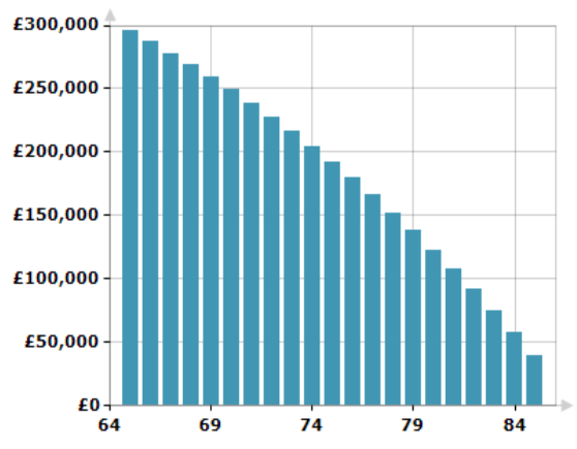
A high withdrawal rate early on can erode your pot quickly, leaving you vulnerable later in retirement. And while there’s no longer a lifetime allowance cap as of April 2024, the risk of running out of money is still very real.
A More Sustainable Approach
This next chart shows a slightly more modest withdrawal of £12,000 per year from the same £300,000 pot. With the same 4% growth assumption, your capital is more likely to hold up over time. This gives you more flexibility to handle life’s curveballs, whether that’s a market dip, a health issue, or simply living into your 90s.
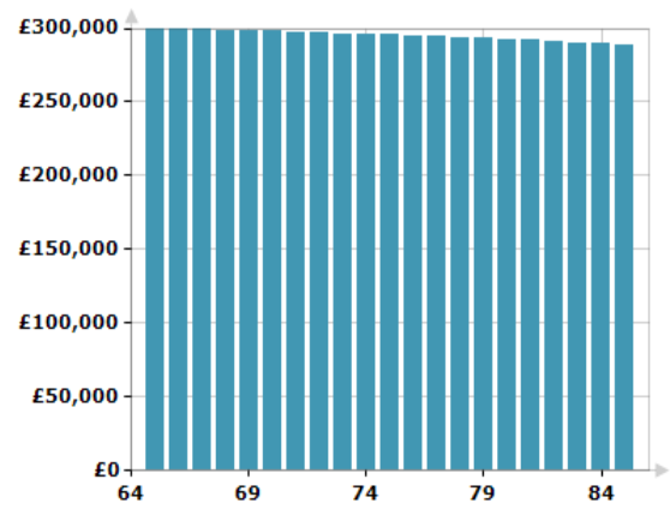
The key takeaway? Lower withdrawals early on can help preserve your pension pot,giving you more options and peace of mind later.
Why Drawdown Appeals to Many?
Drawdown offers flexibility that annuities often can’t match. You can adjust your income, take lump sums, or even leave money invested for your beneficiaries. Whilst annuity rates have risen recently, many retirees feel they can get better value by staying invested.
But drawdown isn’t without its risks. Unlike an annuity, which provides a guaranteed income for life, drawdown income is not guaranteed. That’s why it’s crucial to have a plan and to review it regularly.
Planning Ahead
If you’re within five years of retirement, now’s the time to start thinking about your income strategy. A good plan will balance your need for income today with the need to protect your future self from running out of money.
At Three Counties, we’re here to help you navigate your options and build a retirement plan that works for you. Get in touch with Corryn Wild at Corryn.wild@three-counties.co.uk to start the conversation.
Important Notes:
- You can usually take up to 25% of your pension pot tax-free, up to a maximum of £268,275.
- After that, any withdrawals are taxed as income.
- There’s no cap on how much you can withdraw from a flexi-access drawdown fund, but taking large amounts could push you into a higher tax bracket.
- Once you access your pension flexibly, your Money Purchase Annual Allowance (MPAA) drops to £10,000 per year.
This article is intended as a brief guide to the subject matter and in no way constitutes advice or a recommendation. The article is based on our understanding of current and proposed legislation which could be subject to change at any time. Specific financial, tax and legal advice should always be sought before taking any action.
